
How Thermal Droning Enhances HVAC Efficiency


Introduction to Thermal Droning
In the ever-evolving world of technology, drones have emerged as a powerful tool across various industries. One such application is in HVAC systems, where thermal droning is making a significant impact on efficiency and cost-effectiveness. By utilizing thermal imaging, drones can quickly identify issues and optimize performance.
How Thermal Droning Works
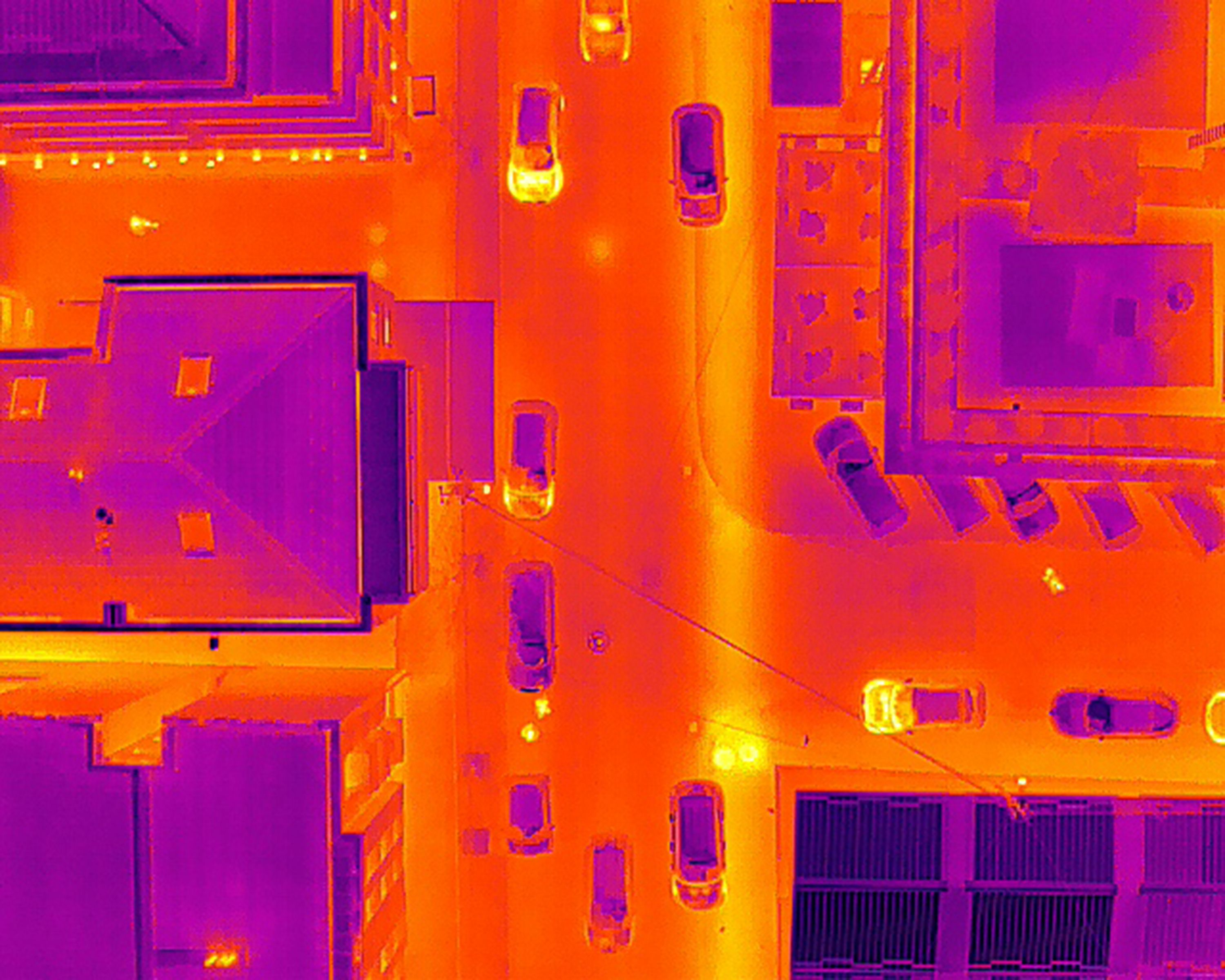
Thermal droning involves equipping drones with thermal cameras to capture temperature variations across HVAC systems. These drones fly over buildings and facilities, providing a comprehensive overview of heat distribution. This data helps identify inefficiencies, such as air leaks or insulation problems, that could be affecting the system's performance.
Thermal images reveal temperature discrepancies that are invisible to the naked eye. By analyzing these images, technicians can pinpoint problem areas and prioritize maintenance tasks, ultimately enhancing the overall efficiency of HVAC systems.
Benefits of Thermal Droning
The adoption of thermal droning offers numerous advantages for HVAC efficiency:
- Cost Savings: By identifying issues early, thermal droning reduces the need for costly repairs and energy waste.
- Time Efficiency: Drones can inspect large areas quickly, minimizing downtime and allowing for more frequent evaluations.
- Precision: Thermal imaging provides accurate data, enabling targeted interventions and avoiding unnecessary work.
Improving Preventive Maintenance
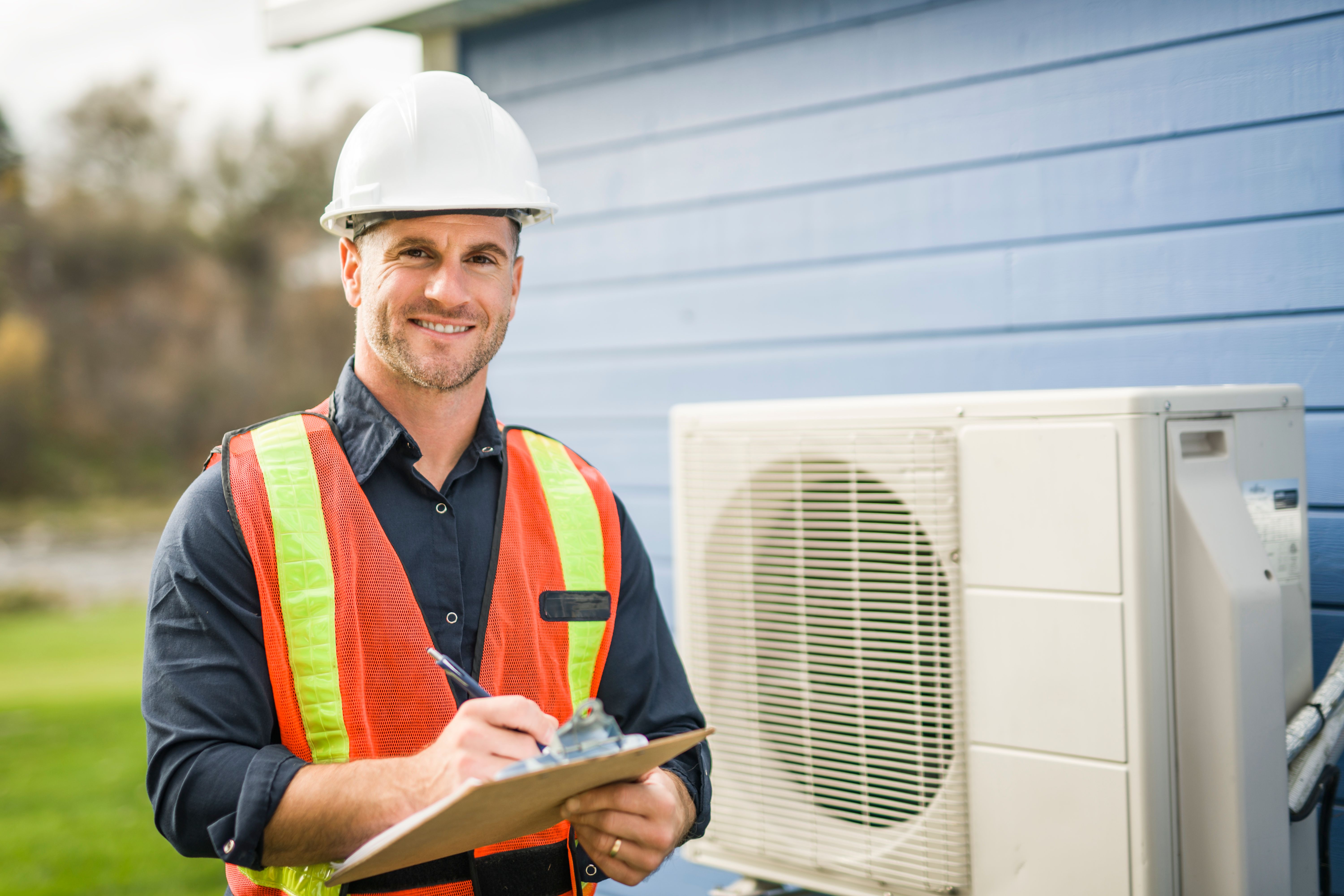
Preventive maintenance is crucial for extending the lifespan of HVAC systems. Thermal droning plays a pivotal role in enhancing these efforts by providing detailed insights into system performance. Regular inspections using drones allow for timely interventions, preventing minor issues from escalating into major problems.
Moreover, the data collected through thermal imaging can be stored and analyzed over time, offering valuable insights into system trends and helping to predict future maintenance needs.
Environmental Impact
In addition to improving efficiency and reducing costs, thermal droning contributes to a greener planet. By optimizing HVAC systems, energy consumption is reduced, resulting in lower carbon emissions. This aligns with global efforts to combat climate change and promotes sustainable practices in building management.

Challenges and Considerations
While the benefits are significant, there are challenges to consider when implementing thermal droning. Weather conditions can affect the accuracy of thermal imaging, and skilled operators are required to interpret the data effectively. Additionally, there may be initial costs associated with acquiring and maintaining drone equipment.
Despite these challenges, the long-term benefits of enhanced HVAC efficiency and reduced energy consumption make thermal droning a worthwhile investment for many organizations.
Conclusion
Thermal droning is revolutionizing the way HVAC systems are monitored and maintained. By providing detailed thermal images, drones help identify inefficiencies and optimize performance, leading to significant cost savings and environmental benefits. As technology advances, thermal droning will likely become an integral part of HVAC management, paving the way for smarter and more sustainable building practices.