
How Thermal Droning Enhances HVAC Efficiency in Denver County


Introduction to Thermal Droning
In recent years, thermal droning has emerged as a revolutionary tool in various industries. In Denver County, where weather extremes can challenge HVAC systems, thermal drones offer a unique advantage. By using thermal imaging technology, these drones help identify inefficiencies, leading to improved HVAC performance and energy savings.
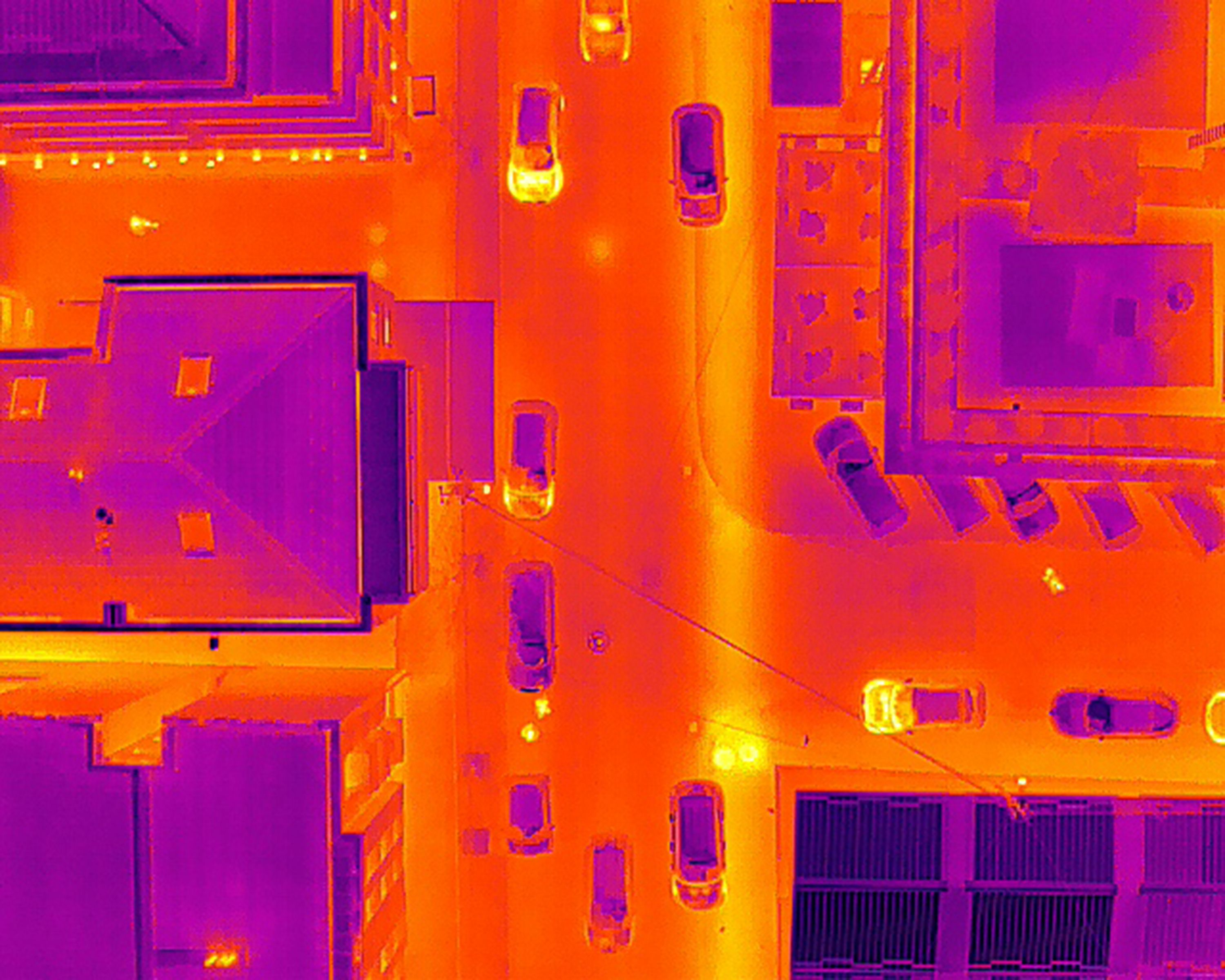
Thermal drones are equipped with infrared cameras that detect heat patterns in buildings. This allows HVAC technicians to pinpoint areas of energy loss or equipment malfunctions without invasive inspections.
How Thermal Droning Works
Thermal droning involves flying drones equipped with thermal cameras over buildings. These cameras capture heat maps, which are then analyzed to identify areas where energy efficiency can be improved. This process is not only quick but also non-intrusive, making it an ideal choice for both residential and commercial properties.
The data collected helps in diagnosing problems such as poor insulation, air leaks, and malfunctioning HVAC components. By addressing these issues, property owners can enhance the efficiency of their HVAC systems significantly.
Benefits of Using Thermal Droning for HVAC Systems
Thermal droning provides several advantages in optimizing HVAC systems. Some of the key benefits include:
- Accurate Diagnostics: Thermal imaging offers precise identification of problem areas, enabling targeted repairs.
- Cost Savings: By improving HVAC efficiency, property owners can significantly reduce energy costs.
- Environmentally Friendly: Enhancing efficiency reduces energy consumption, supporting sustainability efforts.
Applications in Denver County
Denver County's diverse climate conditions make it an ideal candidate for thermal droning applications. From single-family homes to large commercial buildings, the use of thermal drones is gaining traction as a reliable solution for enhancing HVAC efficiency.
In urban areas, where high-rise buildings pose inspection challenges, drones provide an easy way to access hard-to-reach areas. This ensures comprehensive coverage and accurate data collection.
Case Studies and Success Stories
Several case studies in Denver County highlight the impact of thermal droning on HVAC efficiency. For instance, a local office building reduced its energy consumption by 15% after addressing insulation issues identified through thermal imaging. Another residential complex saw a 20% drop in utility bills by optimizing its HVAC system based on drone-collected data.

Future of Thermal Droning in HVAC Industry
The use of thermal droning is expected to grow as more property owners recognize its benefits. With advancements in drone technology and thermal imaging, the accuracy and efficiency of these inspections will only improve.
The integration of artificial intelligence with thermal droning could further enhance data analysis, offering even more precise insights into HVAC efficiency improvements.
Conclusion
Thermal droning is transforming the way HVAC systems are maintained and optimized in Denver County. By providing detailed insights into energy inefficiencies, this technology helps property owners save money and reduce their environmental impact. As the industry evolves, thermal droning will continue to play a crucial role in achieving energy efficiency goals.